
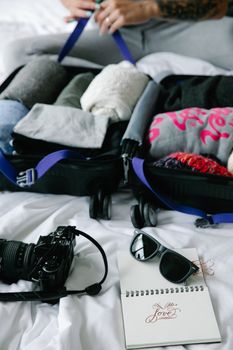
Every seasoned traveler remembers one moment when something went sideways. Travel mistakes to avoid are real, and the best teachers usually come from lived experience.
Traveling matters because it expands horizons and fosters connections. Still, even joyful trips turn stressful with simple missteps like forgotten reservations, missed connections, or surprise charges derailing plans.
Read on—you’ll uncover practical ways to dodge classic travel mistakes to avoid and finish your trip with more joy, fewer hiccups, and better stories to tell.
Minimize Forgotten Essentials with Simple Pre-Departure Routines
Reduce stress by adopting a step-by-step packing and planning process. This routine will prevent overlooked items and guarantee a smooth start to every journey you take.
Travel mistakes to avoid begin with small habits. Implement a checklist, and you’ll sidestep last-minute panics or frustrating returns to pick up essentials.
Checklist Creation: Build Your Pro Traveler’s Tool
Treat your packing checklist like a shopping list before a big meal. Write it out a week in advance so you have time to notice anything missing in daily use.
Before filling your suitcase, read your list aloud and physically cross-check. This extra pass ensures phone chargers, medications, and extra underwear never get left behind.
As you pack, group similar items together in piles. You’ll spot duplicates or missing pieces instantly, reducing the risk of travel mistakes to avoid when crunched for time.
Packing Pro Tips: Streamlining and Safeguarding
Choose a consistent bag layout every time. Dedicated pockets for passports or headphones mean your hand always finds what you need, even mid-flight or in dim hotel rooms.
Include a digital backup for documents. Scan IDs and tickets to your phone’s cloud storage—never scramble for paperwork again, even when bags go missing or connections are tight.
Keep a small pouch of always-needed items: reusable water bottle, basic snacks, portable charger. Having these guarantees you’re covered in airports or train delays, thwarting travel mistakes to avoid.
| Essential Category | Examples | Why It Matters | Next Step |
|---|---|---|---|
| Documents | Passport, Tickets, Visas | Entry and security clearance | Store in easy-to-reach pouch |
| Electronics | Chargers, Adapters, Phone | Stay connected and powered up | Double-check before zipping bag |
| Clothing | Weather-appropriate layers | Adapt to changing temps | Pack two days before departure |
| Medication | Prescriptions and essentials | Health and comfort | Keep in carry-on, not checked bag |
| Cash & Cards | Local currency, Credit/debit | Payments and emergencies | Split between wallet and backup pouch |
Reduce Missed Connections with Step-by-Step Time Management
Avoid rushing and never miss another flight or train by mastering a timeline technique. Lay out your travel days with built-in cushions for changes or setbacks.
Travel mistakes to avoid here mean building habits like setting extra alarms and confirming all bookings twice before heading out the door—no more frantic sprints through terminals.
Prepare for Tight Transfers with Clockwork Precision
List all transport options with departure times, using digital reminders for each. A sample day might include “Uber to station at 2:00 PM” set as a recurring phone alert.
If you spot consecutive bookings under two hours apart, evaluate backup options or see if you can move one earlier. This habit prevents desperate, whispered “Did we miss our gate?” moments.
- Add 30-minute buffers after expected arrival times; this covers security, delays, or reroutes, ensuring you don’t experience travel mistakes to avoid during critical connections.
- Check real-time alerts from airlines and rail services the night before. Save hotline numbers for rebooking; minutes count if you hear “Your flight’s been rescheduled.”
- Use sticky notes or phone widgets for the three most crucial timings (like flight departure, hotel check-in cut-off, or tour meeting points).
- Designate a “timer person” in your group. Let one member keep everyone on track—this avoids bickering and ensures shared responsibility for punctuality.
- Practice reviewing your entire travel day out loud—talk through each time block. This trick reveals any missed planning gaps and cements timing in your memory, avoiding travel mistakes to avoid.
Remove the guesswork from transfers. These habits gain precious minutes for unplanned discoveries rather than sprints to gate D23 wondering how much you can run with a backpack.
Keep Digital and Paper Access In Sync
Save screenshots of boarding passes, hotel addresses, and transit confirmations to your phone’s photo album. Paperless is only an upgrade when Wi-Fi is strong and batteries last.
Back up critical travel info twice: one in the cloud, one local. Unexpected lockouts or broken phones sink many a travel day, so redundancy is your safety net.
- Prepare offline maps for all key places. Use Google Maps’ offline feature or a similar tool, since relying on international data can quickly pose travel mistakes to avoid.
- Print the most vital documents—just two sheets per trip covers most emergencies. Fold them into your wallet for guaranteed backup if all else fails.
- Confirm local time-zone differences when syncing meetups or reservations. Double-checking avoids confusion and helps prevent travel mistakes to avoid lurking in the details.
- Log in to airline and hotel apps before leaving home. Having passwords up to date ensures you aren’t locked out during a crucial check-in moment.
- Use consistent naming and label saved files clearly (like “Rome_Airbnb_Address.jpg”). You’ll locate what you need quickly, even after a sleepless flight.
Mix physical and digital prep to double your reliability—travel mistakes to avoid then shrink, letting you focus on the adventure, not laptop dramas or lost bookings.
Handle Money Abroad by Following These Reliable Habits
Protect your budget from hidden travel blunders by setting up local-friendly payment practices well ahead of your trip. Exchange, withdraw, and pay like a pro from the start.
Travel mistakes to avoid cost money and peace of mind—concrete pre-trip steps will keep your funds safe while minimizing risk of embarrassing or stressful mishaps at checkout.
ATM Access and Currency Exchange Strategy
Before departure, inform your bank about travel plans. Activate foreign transactions to avoid sudden card blocks—the phrase “card declined” ruins too many travel moments.
Scout for ATMs from well-known banks, ideally those with no withdrawal fees. Withdraw larger amounts to reduce total fees; stash spare cash in a separate pouch for emergencies.
Skip airport currency kiosks due to poor exchange rates. Instead, use a small amount for transport, but pull most cash from trusted ATMs in town to reduce travel mistakes to avoid.
Safe Card Usage and Smart Budgeting
Set a daily spending limit on your card for instant fraud alerts but still allow essential buys. Use chip-and-PIN cards when possible for added security and reliable international acceptance.
Track real-time spending via your bank’s app. Note differences between “pending” and “cleared” amounts to spot duplicate or unfamiliar charges immediately—handling these fast prevents persistent travel mistakes to avoid.
Bring a backup card and a small bill stash. If one payment method fails, don’t let it upend your day—just relax, smile politely, and try the next card.
Sharpen Cultural Awareness By Practicing Local Etiquette Rules
Enhance every experience with locals by mastering small behaviors that win you respect and reduce travel misunderstandings. Adopting cultural awareness yields smoother, friendlier journeys every time.
Travel mistakes to avoid multiply without basic etiquette. Learn greetings, tipping rules, and dress codes so you blend in naturally and foster real connection with hosts and neighbors.
Greetings: More Than Just Words
Clone local patterns for greetings. If cheeks are kissed, follow suit. In Japan, bow gently. These gestures, though small, speak volumes—fewer awkward stares, more smiles, and less risk of etiquette-based travel mistakes to avoid.
Ask, “How do locals greet?” as soon as you check in at hotels or home-stays. Staff love clarifying and showing the right move; you’ll see their face light up if you try.
Practice with strangers on your first day. Whether it’s “Bonjour” or a quick nod, mimic tone and timing for that country; your effort earns instant goodwill and respect.
Tipping, Dress Codes, and Respecting Personal Space
Research tipping norms. In the US, 15–20% is standard. In Japan, never tip. Knowing this ensures you don’t offend, underpay, or get embarrassed at the register—classic travel mistakes to avoid.
Match clothing to location. Long sleeves at temples, business casual in city restaurants—these quiet signals help you fit in. You’ll notice locals respond more warmly to appropriately dressed visitors.
Watch how close locals stand or converse. If everyone keeps distance, avoid crowding. If handshakes are warm and long, reciprocate—this detail wins smiles and eases new friendships, sidestepping travel mistakes to avoid.
Prevent Health, Safety, and Insurance Nightmares
Arrive prepared for the unexpected by safeguarding your physical well-being and knowing where to get help. Smart routines save you from unnecessary risk and costly emergencies abroad.
Travel mistakes to avoid here mean packing health gear, getting vaccinated as needed, and securing insurance—not just checking boxes but actively owning your trip’s safety plan daily.
Vaccination, Medication and Local Health Info
Book any required vaccines a month in advance. Pharmacies may run out or appointments fill up, so confirm what’s needed for your destination now—avoid travel mistakes to avoid at border entries.
Keep key medication in original packaging and pack a translation (if international) for customs clarity. This minimizes confusion if security officers ask what’s in your bag.
Bookmark the address of a local hospital and save your insurer’s emergency number. Two minutes spent at Wi-Fi now can prevent hours spent worrying during an urgent situation.
Practice Daily Safety Habits
Share your travel details with someone at home—if plans change, text an update. This habit cuts down on anxiety and ensures help knows your last known location.
Use hotel safes for valuables and never leave passports in checked baggage. Trusting your gut over guidebooks about which areas to avoid at night prevents dangerous travel mistakes to avoid.
- Program emergency numbers for each country in your phone before travel. Respond quickly if something feels off, acting sooner rather than rationalizing a risky situation away.
- Carry a mini first-aid kit, with plasters, painkillers, and antiseptic wipes for immediate care. Address issues at the source, rather than waiting for major symptoms.
- Choose well-lit, busy streets after dark, walking with purpose and confidence—showing alertness deters pursuers better than nervous glancing or stopping frequently to check directions.
- Practice daily routine safety checks: confirm room locks, wallet placement, and route for each day. Turn these micro-checks into a habit to filter out travel mistakes to avoid.
- Buy relevant travel insurance in advance. Double-check the policy for coverage on activities (hiking, diving, or rental vehicles). An up-to-date printout of coverage can resolve claims quickly.
Prioritize well-being, and your confidence grows with each trip—so does your freedom to explore new places boldly, enjoying the journey without fear or regret.
Connect With Locals and Other Travelers Seamlessly
Build lasting memories by learning simple phrases, reaching out at safe moments, and sharing in local celebrations that open doors you never imagined during planning.
Travel mistakes to avoid can be reduced by respectful curiosity and preventing isolation, so small thoughtful steps produce big travel moments and new friendships.
Small Talk Scripts for Smooth Social Beginnings
Start with “Hello, is it okay if I join?” at a hostel kitchen or public table. Confidence paired with a friendly smile gets you in the door.
Ask questions about local life, like “What’s the best dish here?” or “How do you like living here?” People appreciate interest and answer warmly, letting you dodge aloofness-based travel mistakes to avoid.
Offer stories of your own, but keep them brief. Focus on shared experiences or observations to foster mutual connection without dominating the conversation.
Celebrating and Participating Appropriately
When you spot a festival or community event, observe quietly first. Mimic positive behaviors after watching a few minutes for cues on how to join respectfully.
If invited to a celebration, bring a small gift if the culture encourages it—flowers or sweets are safe bets. This gesture shows thoughtfulness while smoothing the path for genuine interactions.
Lean into traditions by asking, “Can you show me how this works?” Demonstrating humility and willingness to learn mitigates travel mistakes to avoid and deepens cross-cultural bonds.
Navigate Language Barriers and Unplanned Detours Gracefully
Embrace mishaps as opportunities for spontaneous adventure while reducing major disruptions with a few habits honed before your journey begins.
Travel mistakes to avoid around language or route changes become smaller when you prepare with a mix of translation tools and flexible attitude.
Language Skills That Go Farther Than Flashcards
Download offline translation apps. Save basic phrases (“thank you,” “where is,” “how much?”) in your phone or notebook for quick access when needed.
Learn the local word for “help,” “toilet,” and “doctor.” Trying—making the attempt, even imperfectly—earns encouragement, not eye rolls, and sidesteps common travel mistakes to avoid in unfamiliar areas.
Practice gestures and pointing. Most communication is non-verbal, so a smile, confident pointing, and friendly tone get you through 80% of minor stumbles.
Flexible Mindsets for Detours and Delays
When routes change suddenly, pause and breathe. Name your new plan: “Let’s sit, have coffee, and check the map” feels better than frantic rushing, and it smooths over travel mistakes to avoid.
Consult a local if you get truly lost. Show your address card and use universal hand gestures. Locals appreciate your trust and usually go out of their way to assist.
If you miss a reservation, use it as a chance to find a hidden spot or try an unexpected activity. Celebrate new discoveries rather than counting setbacks, then log them for memory’s sake.
Finish Every Trip Strong: Debrief, Reflect, and Share Insights
Travel mistakes to avoid become lessons rather than regrets when you close out each trip with fresh notes, thoughtful reflection, and shared stories for your next adventure.
Recap your journey with a pros-and-cons list, including surprises that you turned into victories or learning moments for future trips ahead.
Remind yourself of each planning step that made things easier. Celebrate your new travel strengths and plan on keeping successful tactics as part of your process next time.